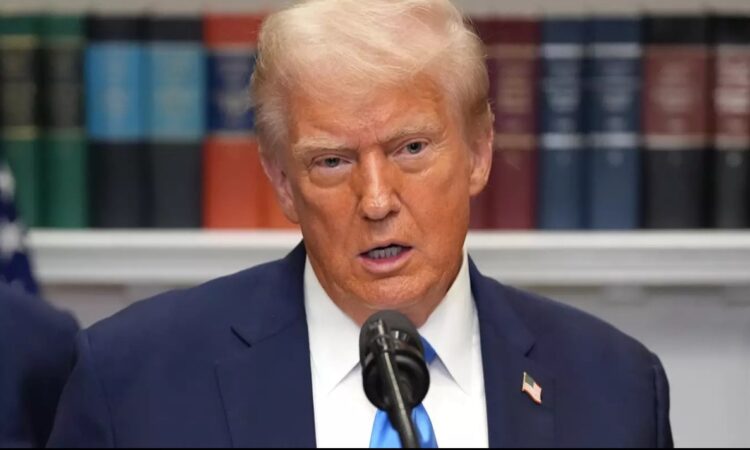
Fresh approval ratings have offered a stark and telling insight into how Americans currently view President Donald Trump’s leadership as he nears
the end of his first year back in the White House. The data reveals growing discontent across the country, painting a picture of an administration struggling to maintain public trust—even on the very issues that once defined its political strength.
Now nine months into his second term, President Trump has been anything but passive. He has charged ahead with a flurry of executive actions, major policy overhauls, and headline-grabbing speeches.
From dismantling trade agreements and implementing aggressive immigration crackdowns, to taking open aim at media outlets, academic institutions, and the judicial system, Trump has been relentless in his effort to reshape Washington. Yet for all the activity, the American public appears increasingly wary of the direction he’s taking the country.
Despite the negative indicators, Trump remains openly defiant. He continues to insist that his administration is performing exceptionally well and that the American people support him. But the numbers tell a more complicated story.
According to newly released data from YouGov and other polling agencies, approval for Trump is on the decline not just on broad concerns like inflation and economic uncertainty, but also on topics that were once considered key to his political brand.
In the early weeks following his return to office, Trump saw a slight bump in public confidence. His messaging around job growth and economic revitalization struck a chord with some voters, and initial reactions to his inflation response were cautiously optimistic.
But that optimism began to unravel as financial markets responded negatively to his renewed trade war rhetoric. Business leaders expressed concern, investors grew jittery, and the economic rebound he promised has yet to materialize in a meaningful way. As a result, public approval began to slide.
Immigration, one of Trump’s most enduring rallying cries, is also proving to be a liability. While it was once a core issue that mobilized his base, recent polling suggests that many Americans are losing faith in his approach.
Harsh policies, controversial enforcement tactics, and inflammatory rhetoric have drawn criticism not only from Democrats and moderates but also from some conservatives who feel the administration is more focused on political messaging than real results.
The polling becomes even more alarming for Republicans when broken down at the state level. In several states that backed Trump just months ago, approval ratings have dipped significantly.
These regional shifts suggest a growing fracture within the coalition that carried him to victory in 2024, and they pose a serious threat to GOP prospects in the upcoming midterms. Party strategists are watching the numbers closely, as the erosion of support in key battlegrounds could have far-reaching consequences.
Demographic trends remain largely consistent with Trump’s previous campaigns. His strongest backing continues to come from white, male, and older voters.
In contrast, younger Americans, women, and minority groups remain deeply critical of his leadership. The gap between these groups has only widened in recent months, further entrenching the nation’s political divisions.
Nevertheless, Trump appears undeterred by any of this. In public appearances and interviews, he routinely downplays unfavorable data and challenges the credibility of polling organizations.
During a recent exchange with Fox News anchor Martha MacCallum, Trump dismissed the network’s own polling, calling it “the worst I’ve ever had” and suggesting that Rupert Murdoch should “get a new pollster.” He also remained bullish on the economy, claiming that a wave of factory openings is on the horizon and that any negative indicators are temporary setbacks.
For Trump, the narrative remains the same: his administration is delivering results, and the media is distorting the public’s perception. Whether that belief holds up against mounting evidence to the contrary remains to be seen. But for many Americans, the latest approval numbers suggest a president more isolated than ever from the broader national mood.
The polling does more than just reflect Trump’s personal approval it speaks to the larger question of whether his aggressive, confrontational style of governance can still resonate with a majority of Americans. As the 2025 political landscape continues to shift, these numbers could be an early signal that the coalition that brought Trump back to the White House may not be as solid as it once seemed.
While Trump continues to project confidence, the growing gap between his rhetoric and public sentiment could define not only the rest of his presidency but also the future direction of the Republican Party itself.