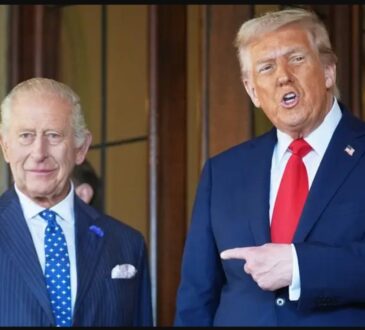
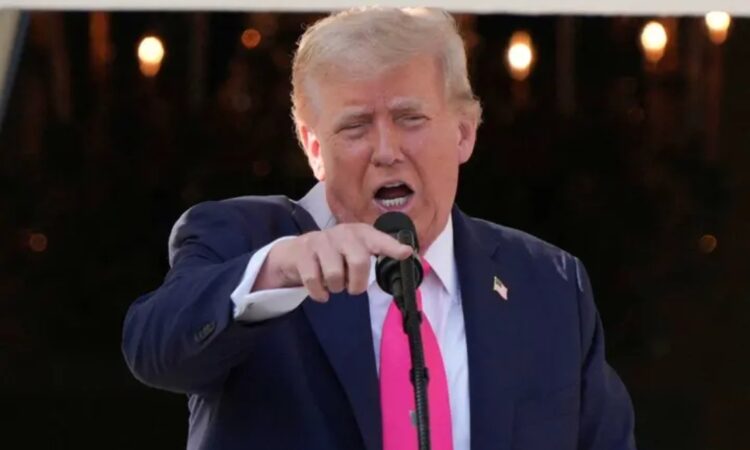
The image of President Donald Trump speaking at a White House picnic on Independence Day projects confidence and celebration, but behind that image a very different reality is unfolding for many immigrant families across the country. That contrast is at the heart of a recent legal development that some experts believe could mark an important turning point.
Over the weekend, a federal judge in Texas ordered the Trump administration to release Adrian Conejo Arias and his five-year-old son, Liam, who had been held in detention after being arrested by immigration agents in Minneapolis the week before. The decision came after days of public outrage, protests, and growing international attention focused on the treatment of the child and his father. The judge did not hold back in his language, reportedly referring to Trump as a “would-be authoritarian king” and warning that the founders of the country had explicitly tried to prevent this kind of unchecked power.
The ruling caught the attention of Glenn Kirschner, a former federal prosecutor, who discussed it on his Justice Matters podcast. Kirschner described the judge’s order as short but unusually forceful, saying it stood out not just for its legal impact but for its moral clarity. In his view, the decision reflects a judge stepping in to stop what many see as cruelty dressed up as enforcement.
Kirschner explained that the administration’s handling of the case sparked widespread outrage because it put a small child at the center of an aggressive immigration crackdown. A five-year-old was locked in detention alongside his father, separated from normal life, schooling, and safety, all while navigating a system few adults fully understand. According to Kirschner, the public reaction mattered, but what mattered just as much was that a judge chose to respond decisively and publicly.
In his written order, Judge Fred Biery criticized the Trump administration for using what he called America’s “arcane” and outdated immigration system to traumatize children who are simply asking for basic fairness. He emphasized that seeking asylum or due process should not come at the cost of a child’s emotional and psychological well-being. The judge suggested that the system is being used not just to enforce the law, but to intimidate and punish, especially the most vulnerable.
Kirschner said the order could end up being historically significant. He framed it as a small but powerful beam of light during what he called a period of “Trump-induced darkness,” a time when fear, confusion, and harsh enforcement have dominated immigration policy. While the order itself is only two pages long, Kirschner believes it sends a much larger message: that the courts can still act as a check on executive power, even when that power is being pushed to authoritarian extremes.
He also expressed hope that the ruling would encourage more Americans to speak out and push back. In his view, legal decisions like this don’t happen in isolation. They are influenced by public pressure, media attention, and people refusing to accept cruelty as normal. When citizens protest, document abuses, and demand accountability, it creates space for judges and lawyers to act.
For many immigrant families, the release of Adrian and Liam is more than just one family going home. It represents the possibility that the system does not have to remain this harsh forever. It shows that even now, there are still people within the legal system willing to say that children should not be used as leverage, and that due process still matters.
While the broader immigration fight is far from over, this ruling offered a rare moment of relief and hope. It reminded people that authoritarian power is not absolute, and that resistance — legal, public, and moral — can still make a difference.