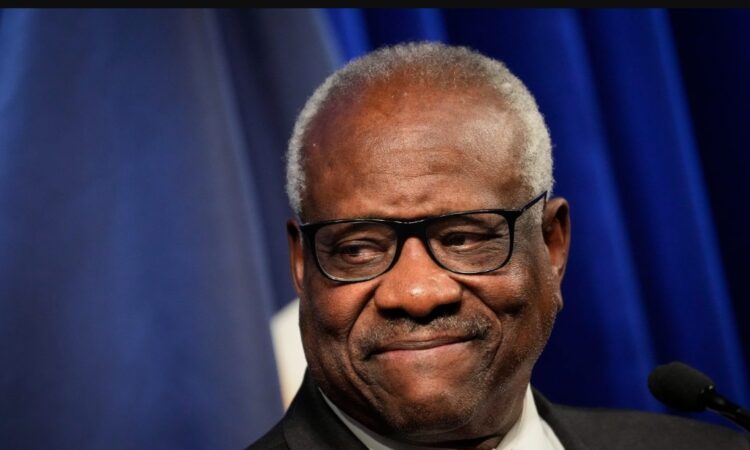
In a recent opinion, Supreme Court Justice Clarence Thomas wrote the majority decision in a case involving the United States Postal Service and a Texas landlord named Lebene Konan. The case might seem small at first glance because it focuses on mail delivery, but the ruling could have much bigger consequences, especially when it comes to voting rights.
Konan, a Black woman who owns rental properties in Euless, Texas, said that starting in 2020 the Postal Service stopped delivering mail to her and her tenants. The Postal Service claimed there was confusion about who owned the properties.
Konan argued that the mail was not accidentally lost but intentionally withheld, and that this hurt her ability to manage her properties and attract tenants. She filed several lawsuits, including claims of racial discrimination.
Most of her claims were dismissed by the Fifth Circuit Court of Appeals, but one claim under a federal law called the Federal Tort Claims Act was allowed to move forward.
Normally, people cannot sue the federal government for money damages because of a legal principle called sovereign immunity. However, the Federal Tort Claims Act allows lawsuits in certain situations, including cases involving intentional wrongdoing by government employees.
There is an important exception involving the Postal Service, often called the “postal exception.” It says the government cannot be sued for claims that arise from the loss, miscarriage, or negligent transmission of mail. The basic idea is that the government should not face lawsuits every time a piece of mail goes missing by accident.
Konan argued that her situation was different because she claimed the Postal Service did not accidentally lose her mail. She said it was intentionally refusing to deliver it. In her view, intentional misconduct should not be protected by the postal exception.
Justice Thomas, writing for the majority, disagreed. He concluded that the Postal Service is protected from lawsuits even when employees intentionally refuse to deliver mail. He interpreted the words “loss” and “miscarriage” broadly enough to include a refusal to deliver. That interpretation means that even deliberate failure to deliver mail falls under the postal exception. As a result, Konan cannot sue for damages under the Federal Tort Claims Act.
Justice Sonia Sotomayor wrote a dissenting opinion, arguing that the majority stretched the meaning of the words too far. She pointed out that the ordinary meaning of “loss” usually suggests something unintentional. Justice Neil Gorsuch joined her dissent, signaling that not all conservative justices agreed with the majority’s reading of the law.
The author of the article argues that this decision could have serious consequences beyond Konan’s personal case. If the Postal Service cannot be sued even for intentionally refusing to deliver mail, then, in theory, it could refuse to deliver mail-in ballots without facing legal consequences under this law. Because mail-in voting is widely used in elections, especially in certain communities, the author fears that the ruling could open the door to voter suppression.
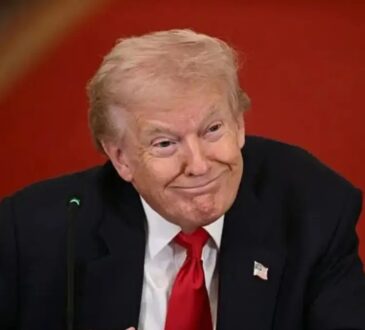
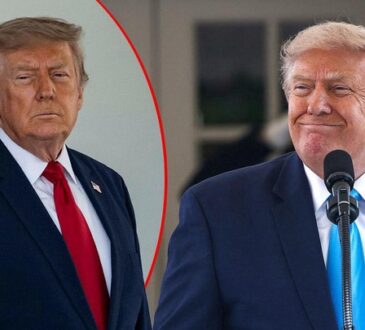
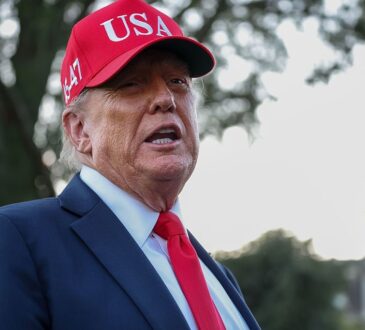
The article also notes that former President Donald Trump has criticized mail-in voting in the past. The concern raised is that if a future administration were to interfere with mail delivery related to ballots, this ruling would limit one possible legal path for challenging that interference.
The writer goes further and argues that Black voters would be especially vulnerable if mail-in ballots were intentionally not delivered. He expresses the view that Justice Thomas’s judicial record has often weakened legal protections that support Black political power. In the author’s opinion, this case is another example of that pattern.
Overall, the ruling in United States Postal Service v. Konan strengthens the legal shield around the Postal Service, making it much harder to sue the agency, even when there are claims of intentional misconduct. Critics believe this could have wide-ranging effects, especially in the context of voting rights and future elections.