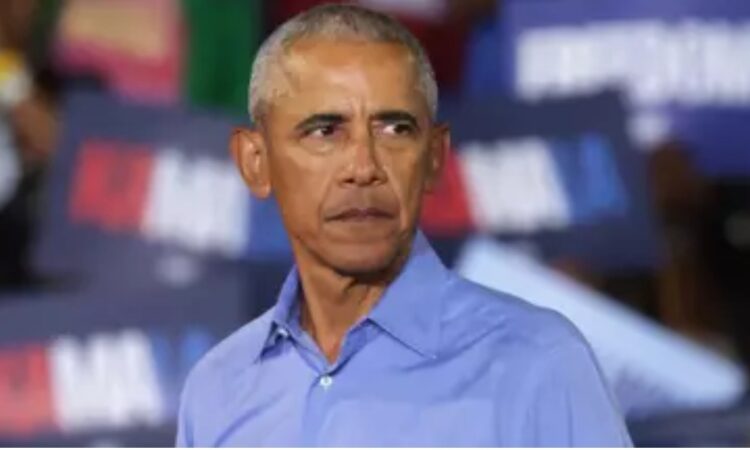
Barack Obama has spoken out strongly after hearing that Jimmy Kimmel’s late-night show was suspended. The former president expressed frustration over the decision and warned that it reflected a broader, more troubling trend of political interference in the media.
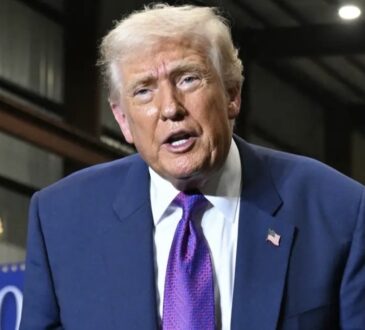
The controversy began when Kimmel mocked Donald Trump’s response to the death of conservative commentator Charlie Kirk, who was shot while speaking at Utah Valley University on September 10. When asked by a reporter how he was holding up after Kirk’s death, Trump briefly said he was doing “very good” but then quickly shifted the conversation to White House renovations and even mentioned an upcoming ballroom project.
Kimmel ridiculed Trump for focusing on construction rather than mourning someone he had publicly called a friend. On his show, Kimmel joked, “He’s at the fourth stage of grief: construction. This is not how an adult grieves the murder of someone he called a friend. This is how a four-year-old mourns a goldfish.” He went on to criticize Trump and his supporters, saying they were trying to twist the tragedy for political purposes while downplaying the shooter’s ties to right-wing extremism.
Afterward, Sinclair — the country’s largest owner of ABC affiliates — announced that *Jimmy Kimmel Live* would be suspended “indefinitely.” The move sparked outrage among fans and commentators who saw it as politically motivated.
Obama weighed in on social media, sharing an article about the suspension and arguing that the government’s role in pressuring media companies to silence voices was a dangerous abuse of power. “After years of complaining about cancel culture, the current administration has taken it to a new and dangerous level by routinely threatening regulatory action against media companies unless they muzzle or fire reporters and commentators it doesn’t like,” he wrote.
He added that this kind of government pressure is exactly what the First Amendment was designed to protect against, urging media organizations to resist political intimidation rather than comply with it.
Obama’s statement highlights the growing debate over free speech, political influence, and the role of media companies in navigating criticism during an increasingly polarized era.