Donald Trump makes chilling threat to use military against US citizens protesting against ICE
The Insurrection Act gives the president the power to send the US military into American cities to deal with serious violence or unrest. It is a very extreme step and has only been used a handful of times in US history. If Donald Trump were to use it now, it would mark a major and controversial shift, because it would mean soldiers being used against people inside their own country.
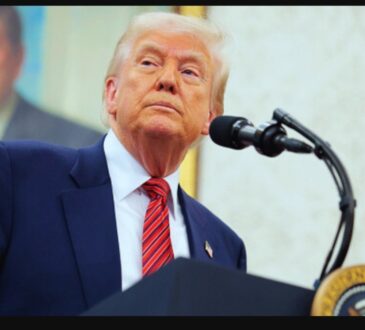
Trump has said he is prepared to use the military to respond to protests in Minnesota, claiming he wants to end what he calls chaos and lawlessness. He has suggested backing up Immigration and Customs Enforcement officers with US troops, which would be a dramatic escalation. The law would allow him to ignore state governors and local leaders and even bring National Guard troops in from other states.
The unrest in Minnesota could technically meet the legal standard for using the Insurrection Act, but many critics say that using the military against civilians would cross a dangerous line. In the past, the act has only been used in very specific and severe situations. George W. Bush invoked it during the 1992 Los Angeles riots, and Lyndon B. Johnson used it during the 1960s to respond to riots in Detroit and unrest following the assassination of Martin Luther King Jr. Even then, it was applied in a limited and focused way, usually when local police were overwhelmed.
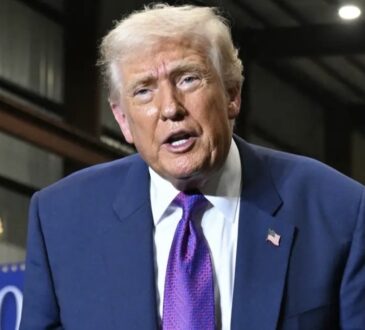
Trump has accused Minnesota politicians of refusing to enforce the law and has claimed that protesters are “professional agitators” and “insurrectionists.” In a post on Truth Social, he said that if state leaders do not stop attacks on ICE officers, he will invoke the Insurrection Act and quickly put an end to what he described as a disgrace in a state that was once great.
He has repeatedly claimed, without providing evidence, that protests against ICE are fake and organized by paid professionals. This fits into a broader narrative pushed by his administration, suggesting that opposition to him is not genuine but instead coordinated by secret networks of radical left-wing activists. Trump has made similar threats in the past during protests in cities like Portland and Los Angeles.
The Department of Homeland Security says it has made more than 2,000 arrests in Minnesota since early December. However, it has faced widespread criticism for arresting people who appear to be protesting legally. Many local leaders argue that the federal response has made the situation worse rather than better.
Minneapolis Mayor Jacob Frey has said the situation is unsustainable. He described the city as being placed in an impossible position, trying to keep residents safe while also maintaining order. Frey said the federal presence feels like an invasion, pointing out that the number of federal officers is about five times larger than the city’s own police force of around 600 officers. According to him, this heavy presence has frightened and angered many residents.
Tensions rose even higher after a federal immigration officer shot and wounded a man in Minneapolis who allegedly attacked the officer with a shovel and a broom handle. That incident came on top of already widespread anger following the fatal shooting of Renee Good, who was shot in the head by an ICE agent earlier this month. These events have deepened fear and outrage across the city.
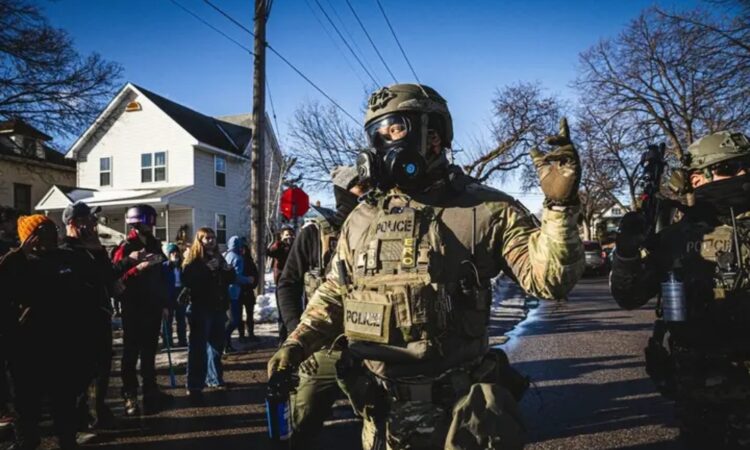
On Wednesday night, smoke filled the streets near the site of the latest shooting as federal officers wearing helmets and gas masks fired tear gas into a small crowd. Some protesters threw rocks and fireworks in response. Police Chief Brian O’Hara later said the gathering had been declared an unlawful assembly and ordered people to leave. Eventually, the situation calmed down, and by early Thursday only a small number of protesters and law enforcement officers remained.
Protests have become a regular sight in Minneapolis since the death of 37-year-old Renee Good on January 7. ICE agents have been seen pulling people out of cars and homes, which has led to confrontations with angry residents demanding that federal officers leave the city. The ongoing standoff has left Minneapolis on edge, with no clear resolution in sight.