People are pointing out terrifying similarities after Trump announces government has acquired 10% of Intel
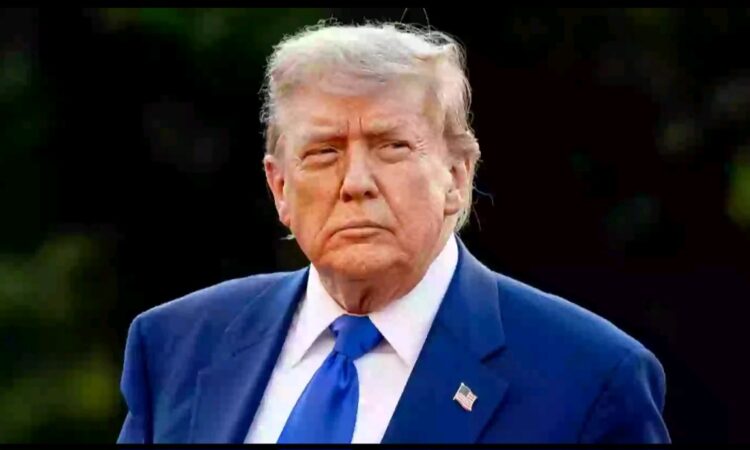
The announcement that the U.S. government has bought a 10 percent stake in Intel is being called a “historic agreement,” and people all over the country are reacting strongly to it. Many are excited about what it could mean for America’s technology and security, while others are pointing out the irony that a Republican president is now being accused of doing something that looks like socialism.
The news first came out on X, when U.S. Secretary of Commerce Howard Lutnick said this was “big news” for America. He explained that the deal, made with Intel’s CEO Lip-Bu Tan, was fair both to the company and to the American people. According to him, this agreement will boost the U.S. economy and make sure America remains a leader in semiconductor technology, which is the backbone of modern electronics.
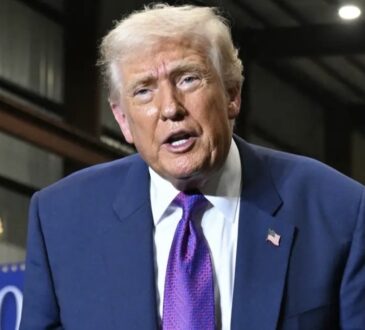
Trump also announced the deal himself earlier on Friday, August 22. Soon after, Intel’s stock value went up quickly, showing how big of an impact the news had on investors. Intel’s CEO Lip-Bu Tan said the company is deeply committed to making sure the world’s most advanced chips are produced in the United States, not overseas. He also praised Trump for focusing on strengthening U.S. chip manufacturing, calling it a move that will shape America’s future security and prosperity.
The deal itself came after a tense meeting between Trump and Tan. Not long ago, Trump had publicly called for Tan to resign, accusing him of having connections with Chinese firms. But instead of stepping down, Tan made a deal with Trump. As Trump himself put it, “He walked in wanting to keep his job, and he ended up giving us $10 billion for the United States.”
Intel later explained that the government’s new 10 percent ownership won’t come in the form of cash out of taxpayers’ pockets. Instead, it will be funded through federal grants Intel had already been promised under the U.S. CHIPS and Science Act, as well as money from the Secure Enclave program. Importantly, the government will not take over Intel’s decision-making. The stake is passive, meaning no government official will sit on Intel’s board or have access to insider information. The government also agreed to always vote alongside Intel’s board on most matters.
Still, the move has sparked a lot of debate. Some critics on social media mocked the deal by saying it looked like “socialism,” with sarcastic posts hailing Trump as “Chairman Trump” leading a new “Socialist Republic of America.” Conservative commentator Erick Erickson also criticized the plan, saying Republicans would have loudly attacked Democrats for doing the exact same thing. He called it “actual socialism happening under a Republican administration” and accused the party of hypocrisy.
On the other side, progressive Senator Bernie Sanders actually supported the deal, but for different reasons. He argued that since chipmakers like Intel receive billions in government grants, it’s only fair that taxpayers should also get something in return when these companies make big profits. To him, this deal is a step toward making sure corporate welfare benefits ordinary Americans too, not just big corporations.
While supporters and critics continue to argue, one thing is clear: this agreement has reshaped the conversation about how far the government should go in directly investing in private companies. Some see it as a bold strategy to secure America’s future in technology, while others see it as a dangerous step toward government-controlled business.
Would you like me to expand this further into a storytelling style news piece—like a dramatic narrated article—or keep it in this clear, explanatory tone?