Psychologists Warn Donald Trump Is ‘Slipping’ Into Dementia – Point to Clear Signs He’s ‘Losing It
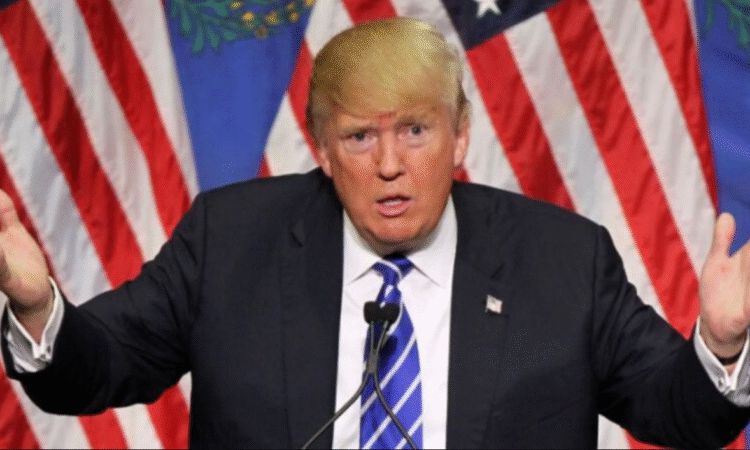
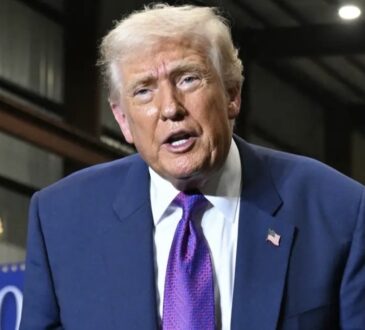
Donald Trump has long been one of the most famous and talked-about leaders in the world. With that level of global attention, it is only natural that he attracts both admiration and hostility. Along with his popularity comes constant scrutiny, jealousy, and heavy criticism from the media. Since he returned to office in January 2025, many headlines have focused not only on his politics but also on his age, his physical condition, and especially his mental sharpness.
Different opinions have circulated. Some critics label him a narcissist, others call him delusional, and there are even claims that he may be showing early signs of dementia. These suggestions have gained momentum after a recent Truth Social post where Trump referred to St. Petersburg, Russia, by its old Soviet-era name, Leningrad. Psychologists Dr. John Gartner and Dr. Harry Segal argued that this slip might be more than just a harmless mistake—it could be a symptom of cognitive decline. On his podcast “Shrinking Trump,” Dr. Segal said plainly, “We are seeing him slipping.”
The Irish Star reported that Dr. Segal also highlighted an August press briefing where Trump appeared to confuse details and even invent parts of events. This behaviour, known in psychology as “confabulation,” often occurs when people with dementia unintentionally mix fact and fiction. One example was Trump’s detailed story about protecting statues in Washington, D.C. He claimed to have passed a law that sentenced vandals to ten years in prison, even mentioning monuments of Abraham Lincoln and Thomas Jefferson. But Dr. Segal pointed out that no such law was ever passed. Instead, Trump had only signed an executive order, and the way he recounted the events was distorted and exaggerated.
Dr. Gartner added that Trump’s storytelling style makes the decline very obvious, even to people without a medical background. “The fact is Trump tells it like it’s a story that happened to him in real time. And it’s just not true,” he said, calling the behaviour not only inaccurate but embarrassing.
Mary Trump, Donald Trump’s niece and a clinical psychologist, has also been outspoken. In her weekly show “Trump Trolls Trump,” she raised serious concerns about her uncle’s mental state. She pointed to several public blunders, including a strange claim that her late uncle, John Trump—a professor at MIT—had once taught Ted Kaczynski, the notorious Unabomber. Mary quickly dismissed this as impossible. John Trump died in 1985, years before Kaczynski was even identified or arrested in 1996. “There is simply no way John could have said anything about Ted Kaczynski to Donald,” she explained.
Mary also discussed Trump’s much-publicized Montreal Cognitive Assessment (MoCA), a short test used to screen for dementia. She argued that his administration misled the public by framing it as a type of intelligence test rather than what it really was. Official reports claimed that he passed it with flying colors, and his physical exam in April declared him to be in “excellent health,” stating he stands 6 feet 3 inches tall and weighs around 224 pounds. But Mary suggested the truth might not match the carefully curated public image.
In one of her YouTube videos, Mary went further, suggesting that Trump often seems disoriented. She said he sometimes struggles to remember where he is, what event he is at, or even who he is speaking to. “I sometimes wonder if Donald is oriented to time and place,” she said. “Because much of the time, it doesn’t seem like he is. And just as often, it feels like he doesn’t recognize who is around him.”
The question that lingers is whether Trump’s mental sharpness is genuinely slipping or whether he is simply showing the effects of age and the immense stress of carrying the weight of the presidency once again. Whatever the case, his supporters argue that he remains strong, resilient, and determined to lead. For them, Trump is still their “tough guy,” regardless of what doctors, critics, or the media say.