The Hillary Clinton ‘Lock Her Up’ Chant Could Finally Become Reality With FBI, Patel’s ‘Smoking Gun’ Memo
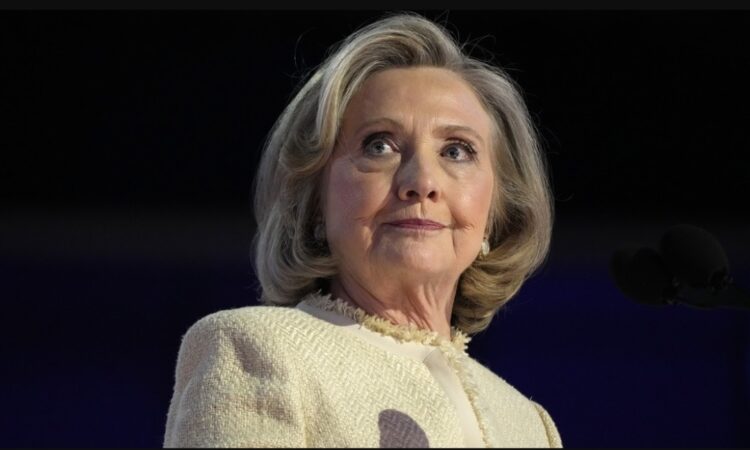
Many people remember the chant “Lock her up” aimed at Hillary Clinton, and now, new evidence might make that idea more realistic. A recently declassified memo, connected to former FBI official Kash Patel, is being called the “smoking gun” that shows how the Department of Justice and FBI leaders shut down serious investigations into Clinton and her family foundation.
For decades, the Clintons have been surrounded by accusations of corruption and shady dealings. Bill Clinton rose to power in the early 1990s, and Hillary quickly became one of the most influential—and controversial—figures in politics. She tried her hand at healthcare reform as First Lady, later became a Senator for New York, then Secretary of State under Obama, and twice ran unsuccessfully for president. Along the way, the Clinton Foundation was created, an organization critics argue was less about charity and more about selling access and influence.
Haiti is often pointed to as an example of how their foundation’s promises didn’t match reality. Instead of real help, money vanished and little improvement followed. Despite repeated scandals—from the Whitewater investigation, to Hillary’s cattle futures profit, to her mishandling of classified emails during her time as Secretary of State, to her response to the Benghazi attacks—the Clintons have managed to avoid legal consequences.
Now, Patel’s discovery sheds light on why. The memo shows that FBI agents in multiple cities were looking into whether the Clinton Foundation had broken laws while Hillary was Secretary of State, particularly since the foundation took massive donations from foreign governments and business interests that also had dealings with her department. But every time agents pushed forward, they were blocked. Former Deputy Attorney General Sally Yates allegedly ordered them to “shut it down,” and then-FBI Deputy Director Andrew McCabe instructed that no significant steps could be taken without his approval. The result was years of stalled investigations, even though agents thought they had enough evidence to pursue criminal charges.
This new evidence doesn’t just confirm suspicions that investigations were buried—it also names the people who stopped them. Emails and notes now tie together a clear timeline, revealing that senior officials in the Obama administration, and later under Biden, acted in ways that looked more like protecting the Clintons than seeking justice.
Attorney General Pam Bondi has now authorized a strike force and grand jury to examine whether these decisions were part of a broader conspiracy to protect powerful Democrats while targeting Donald Trump and his supporters. Some former prosecutors and agents are even willing to cooperate with this new investigation, providing inside knowledge.
Skeptics point out that Americans are tired of endless investigations into the Clintons and related scandals, but Patel’s findings could change the story. Instead of vague accusations, there are now documents, names, and dates that connect the dots. That’s the kind of evidence that could lead to charges, not just headlines.
The strategy seems to be a slow but steady release of information, keeping those implicated—Clinton, McCabe, Yates, and possibly even Obama—off balance, never knowing what will be revealed next. If charges do come, they may arrive suddenly, at a moment when the accused least expect it.
For Clinton critics, this could be the long-awaited moment when years of alleged corruption are finally confronted in court. If the Clinton Foundation and Hillary herself are ever brought down, Patel’s uncovered memo may be remembered as the turning point.