
Urgent warning to these areas as hurricane moving towards US has potential for ‘catastrophic damage’
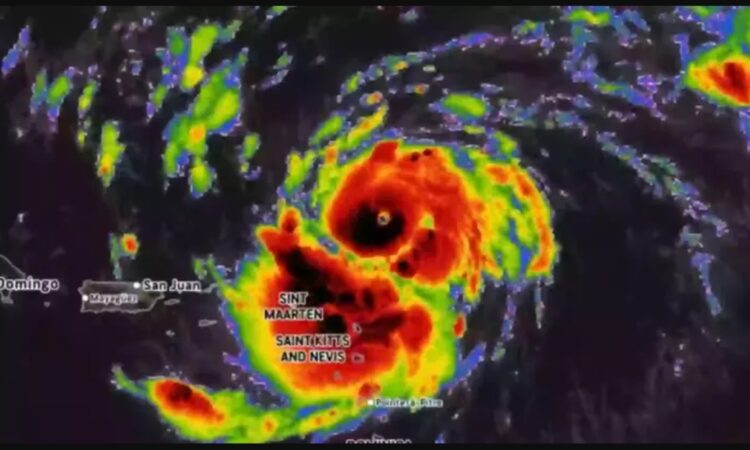
Hurricane season is in full swing, and one of the most powerful storms in recent memory is now heading toward the U.S. Hurricane Erin, which first formed as a Category 1 storm with winds of around 75 mph, rapidly intensified into a Category 5 monster within just 24 hours. With recorded wind speeds reaching 160 mph, Erin has joined the rare list of only 43 Category 5 hurricanes ever recorded in the Atlantic.
Category 5 hurricanes are the most dangerous level of storms on the scale. According to the National Weather Service, these hurricanes can cause catastrophic destruction. Even strong, well-built homes can lose roofs or entire walls, while trees and power poles are expected to be snapped or uprooted. Widespread power outages could last for weeks or even months, and some areas may become completely unlivable for long stretches of time.
Because of the storm’s power, the National Hurricane Center issued an urgent warning on Saturday, August 16. Officials cautioned that Erin will generate life-threatening surf and rip currents not just in the Bahamas, but also along the U.S. East Coast and even parts of Atlantic Canada in the coming week.
Weather experts are watching Erin closely. Alex DaSilva, AccuWeather’s lead hurricane expert, explained that the storm is expected to gradually curve north while remaining offshore. Even so, beaches all along the East Coast—from Florida to New England—will face dangerous conditions, with rough surf and powerful rip currents likely. Coastal areas that stick out into the ocean, such as North Carolina’s Outer Banks, New York’s Long Island, and Cape Cod in Massachusetts, are considered most at risk.
By the early hours of Sunday, August 17, Erin had briefly weakened to a Category 3 hurricane, but forecasters warn it could regain strength and return to Category 5 status.
Unfortunately, Erin is not the only storm Americans need to worry about this year. The National Oceanic and Atmospheric Administration (NOAA) has already predicted an “above average” hurricane season, with between 13 and 19 named storms expected in the Atlantic. This means more severe weather could be on the way in the coming months.