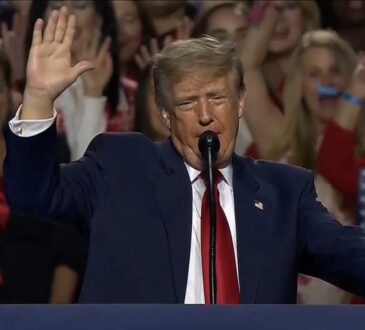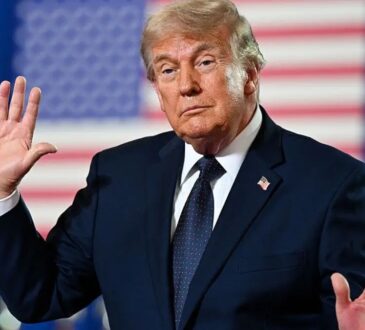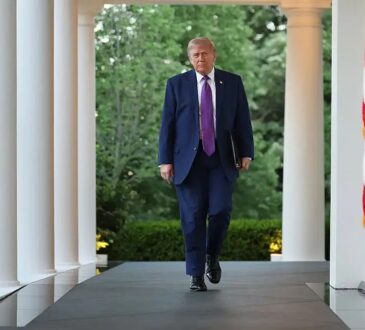
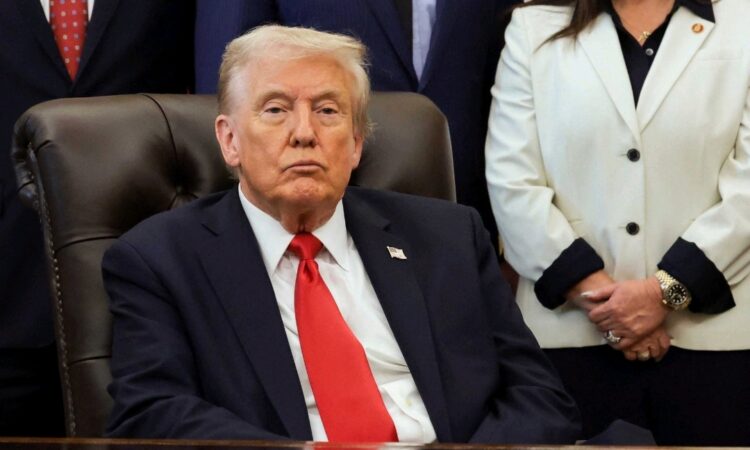
President Donald Trump attended an event in the Oval Office on October 16, 2025, to announce new plans for fertility treatment coverage. But while he spoke in Washington, disturbing news was emerging from the Caribbean about a recent U.S. military campaign.
Several gruesome discoveries in Caribbean waters have raised serious questions about Trump’s decision to order airstrikes on boats that American officials claim were being used by drug traffickers.
Not long after the first strike in September, people living on Trinidad’s northeastern coast found a body that had washed ashore. Locals said the man’s face was burned and parts of his body were missing, as if he had been caught in an explosion. A few days later, another body appeared on a nearby beach. It was also badly damaged, its face destroyed and one leg blown off.
No one has confirmed whether these bodies are directly connected to the U.S. attacks, but the timing has caused growing concern in Trinidad. The country’s prime minister, Kamla Persad-Bissessar, has publicly backed the American strikes — one of the few Caribbean leaders to do so. Many people in Trinidad, however, are uneasy. They worry their government is not pressing the United States for answers about the dead.
“There’s no doubt in my mind these men died because of the strikes,” said Lincoln Baker, who works for the local water company. He and others in the community believe the deaths show how dangerous the situation has become.
Trump’s military approach to fighting drug trafficking marks a major shift from both U.S. tradition and international norms. Normally, boats suspected of smuggling drugs are stopped by law enforcement, and the crews are arrested and put on trial. In this case, they are being targeted and destroyed as if they were enemy combatants.
The policy has sparked backlash even among conservatives who usually support Trump. John Yoo, the former Justice Department lawyer known for writing the Bush administration’s memo that justified torture, criticized the move, saying that not every crime should be treated as an act of war. “If we do that,” he warned, “then every serious crime could be a reason to send in the military.”
Ed Whelan, a legal scholar who once worked for Supreme Court Justice Antonin Scalia, also denounced the strikes, calling them “very likely illegal.”
Together, these reactions show how deeply divided people are — not only about Trump’s military actions but about what kind of country the United States is becoming under his leadership.