
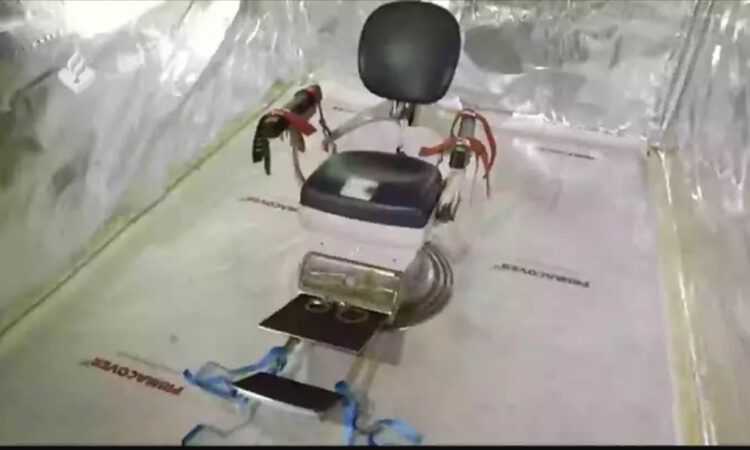
A new episode of a Channel 4 documentary series is shining a light on a horrifying discovery: a secret torture chamber used by criminals in the Netherlands. The find was part of a major global investigation into organized crime, made possible when police managed to crack an encrypted messaging service called EncroChat.
EncroChat was a secure system used by criminals worldwide. They communicated through specially modified phones, believing their conversations were safe from law enforcement. These phones were used to plan everything from drug trafficking to contract killings.
That changed when French police hacked into the system in a major breakthrough. The messages were shared with other countries, including the UK and the Netherlands, leading to countless arrests and the prevention of serious crimes. Channel 4’s docuseries *Operation Dark Phone: Murder by Text* dives into this story, with the second episode focusing on the shocking Dutch case.
In July 2020, Dutch authorities working on Operation 26Lemont discovered a makeshift prison and torture chamber hidden inside shipping containers in a warehouse in Wouwse Plantage, a village near the Belgian border. The criminals had converted seven containers—six were used as cells to hold people, and one was outfitted as a torture room.
Inside that room was a dentist’s chair, where victims could be restrained. Around it, police found a disturbing collection of tools including saws, scalpels, pliers, and pruning shears—items clearly intended to inflict pain. The gang even referred to the room as “the operating room” in their messages.
Messages retrieved from EncroChat revealed chilling details. Criminals discussed having enough belts and zip ties to restrain people, and mentioned needing pliers to cut fingers and toes. These conversations helped authorities piece together the full horror of what they had planned.
The operation led to 11 arrests. The men were eventually sentenced to between one and nine years in prison. The mastermind behind the torture chamber is believed to be a man known as Piet Costa, a 50-year-old drug trafficker who had already served 15 years in prison for cocaine-related crimes. Because of his role in setting up the torture facility, another 33 months was added to his sentence.
Authorities and prosecutors used the case as a wake-up call. They warned that behind the scenes of recreational drug use lies a dangerous, violent criminal world—one that most people never see but is kept alive by demand for drugs like cocaine.
The Channel 4 series features interviews with the police who helped break the case, offering an inside look at how technology, teamwork, and a bit of luck helped stop a terrifying operation from going any further.